Running a hotel comes with its fair share of challenges, especially when it comes to managing finances. From tracking multiple revenue streams to dealing with various expenses, staying on top of your hotel accounting can sometimes feel like a never-ending task.
If you’re looking to streamline your hotel’s accounting and improve financial accuracy, you’re in the right place. We’ve put together a free checklist that can make managing your hotel finances easier, faster, and more efficient.
The Challenges of Hotel Accounting
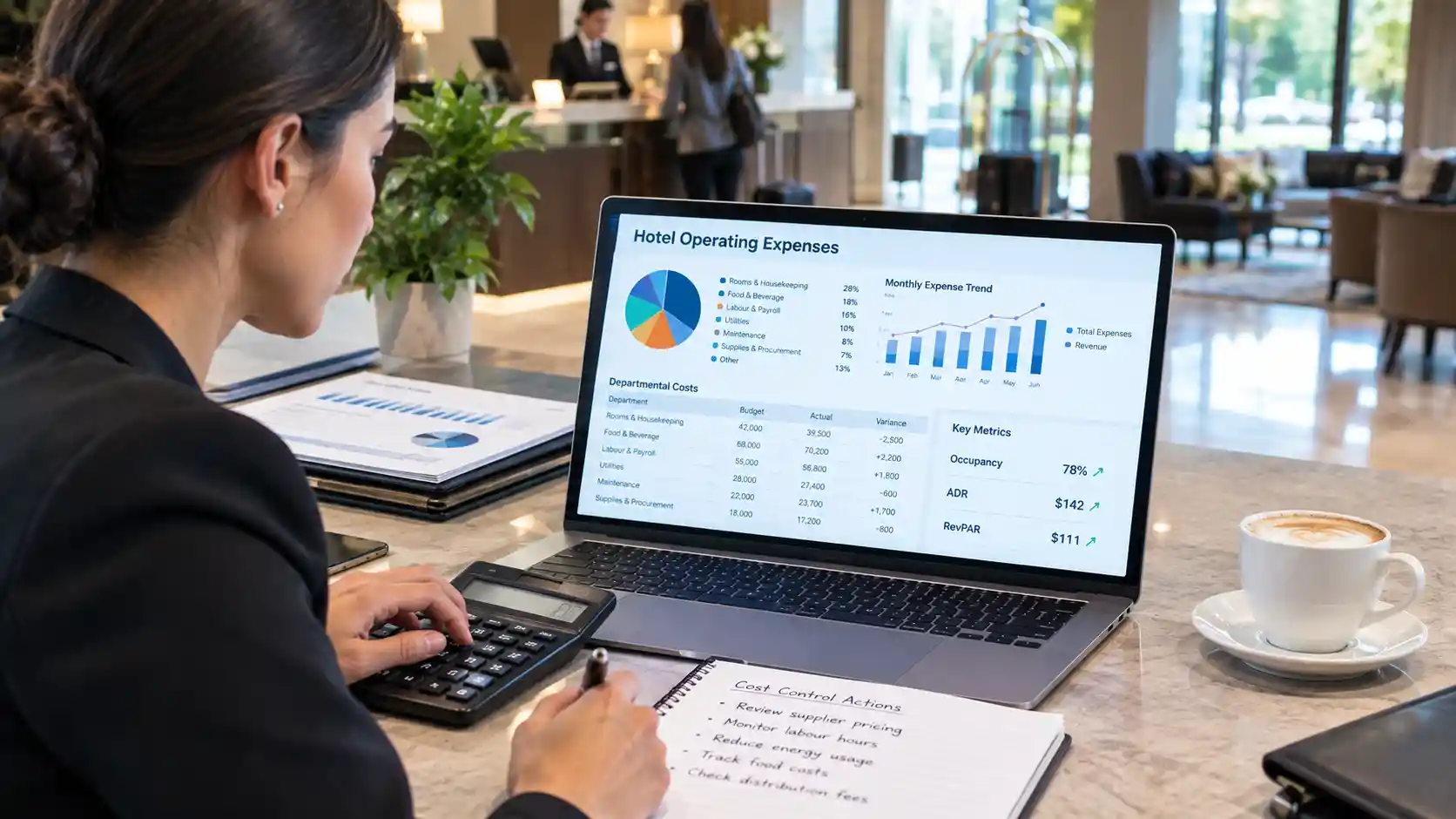
Hotel accounting involves much more than tracking room rates. There’s a complex web of income, from food and beverage services to events, that requires careful attention. Additionally, expenses such as payroll, maintenance, and utilities can pile up quickly.
One of the main struggles hotel managers face is juggling all these different financial elements. Without proper organisation, mistakes can occur, leading to errors in financial reporting and missed opportunities for cost-saving.
Why Streamlining Hotel Accounting is Crucial
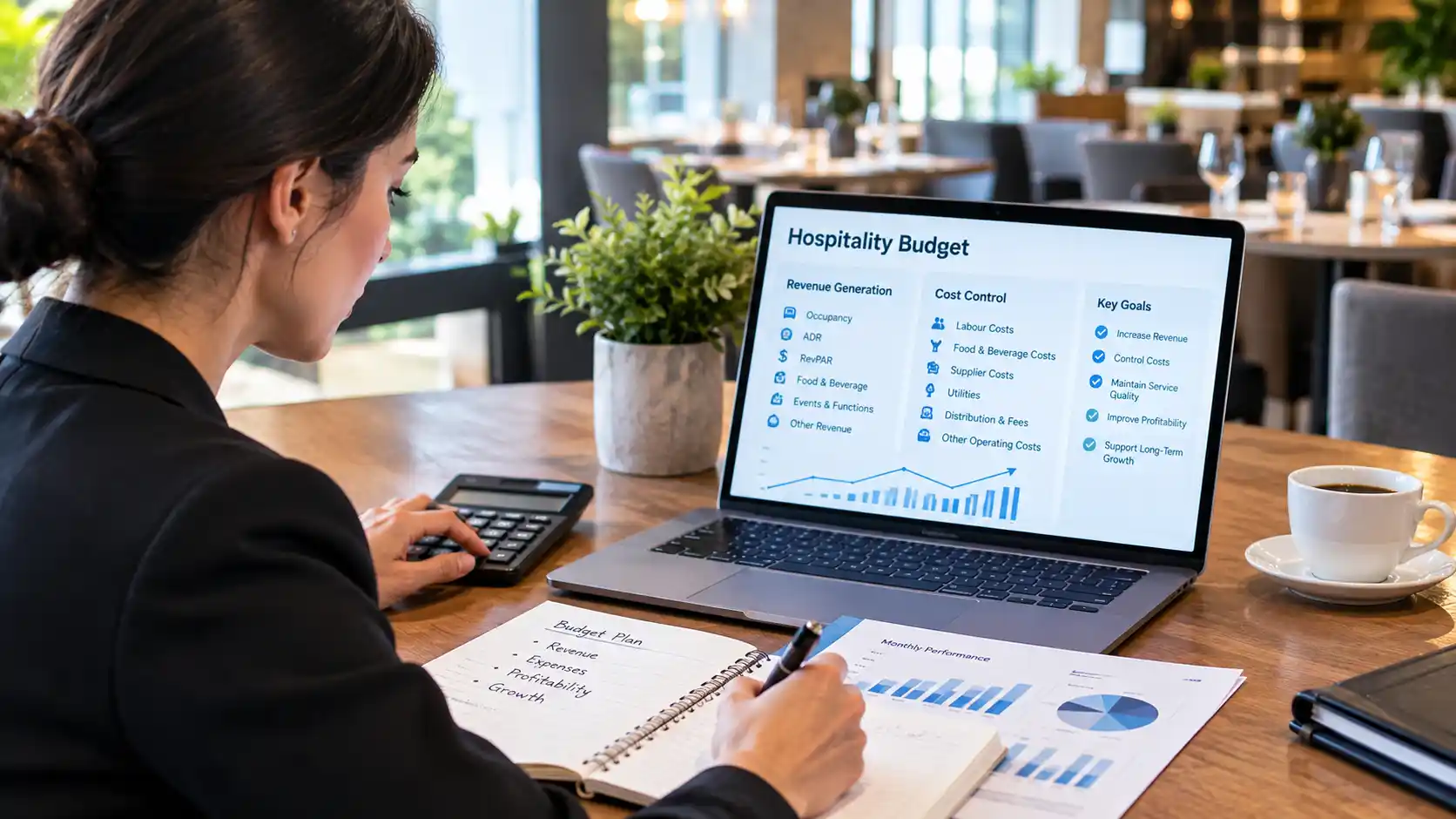
Let’s face it: hotel accounting isn’t exactly thrilling. But it’s essential. An organised system can help you keep track of your financial health, provide valuable insights for budgeting, and ensure you’re tax-ready without breaking a sweat.
A streamlined accounting system can also improve cash flow management, enabling you to reinvest in the business, make informed decisions, and maintain operational efficiency.
Hotel Accounting Checklist: Step-by-Step
Managing your hotel’s finances doesn’t have to be overwhelming—by following a simple, organised checklist, you can stay on top of all your accounting tasks and ensure everything runs smoothly. Follow this simple checklist to stay on top of everything:
- Track All Revenue Sources: Ensure every penny coming in is accounted for. This includes room bookings, food and drink sales, event charges, and any other services. A tool like Zoho Books can help automate the tracking process.
- Manage Expenses Accurately: Keep an eye on operating costs such as utilities, repairs, and employee wages. A monthly review will help you stay on top of any unexpected hotel expenses.
- Reconcile Regularly: It’s easy to overlook reconciling your bank and credit card statements with your internal records, but it’s crucial. Doing this on a weekly or monthly basis helps catch discrepancies early and ensures your accounts are always balanced.
- Keep Payroll in Check: Ensure your payroll services are accurate and up-to-date. This includes calculating employee wages, benefits, and taxes. An efficient payroll system can save you time and help avoid mistakes. You can consider using Australian payroll software.
- Stay on Top of Taxes: Set reminders for your tax deadlines and make sure all required tax reports are filed promptly. This helps you avoid late penalties and ensures you stay compliant.
- Review Financial Reports: Generate financial reports regularly. Whether it’s monthly, quarterly, or annual, having these reports ready can help you assess the financial health of your business and make informed decisions moving forward.
- Prepare for Audits: Make sure all your documents and receipts are organised. Whether it’s for an internal audit or an external one, having your records in order will save you a lot of stress later on.
By sticking to this checklist, you’ll not only streamline your hotel accounting but also gain the confidence that comes with knowing your financial records are accurate, up-to-date, and ready for whatever comes next.

Key Elements of an Effective Hotel Accounting System
An effective hotel accounting system is built on several key elements that ensure your financial operations run smoothly and accurately. There are a few key elements to consider:
- Revenue Tracking: From room bookings to add-on services like laundry or spa treatments, it’s important to keep track of every revenue source. Software like Xero or QuickBooks can help you automate revenue management processes and ensure no income goes unnoticed.
- Expense Management: Whether it’s payroll, utilities, or property maintenance, make sure all your expenses are carefully categorised. A good hotel accounting system will allow you to separate your fixed costs from variable ones, making it easier to identify potential savings.
- Accounting Software: Modern hospitality accounting tools can simplify bookkeeping. If you’re still using spreadsheets, it might be time to look into a more efficient bookkeeping solution.
By focusing on these essential elements, you can create a solid foundation for your hotel’s accounting system, allowing you to manage finances with confidence and clarity.
Tools and Resources to Help with Hotel Accounting
Many tools can assist with hotel accounting, and some even offer free options. Software like Wave is a free solution that offers basic accounting features, including invoicing and expense tracking. If you’re ready to go beyond the basics, options like QuickBooks and Xero offer paid plans that offer more advanced features, such as payroll management and inventory tracking.
These tools help streamline your financial processes, giving you more time to focus on growing your business.
Tips for Maintaining Financial Accuracy
Maintaining financial accuracy is the backbone of a successful hotel business, ensuring you’re not just tracking numbers but actively using them to drive smarter decisions and avoid costly mistakes.
- Review Your Records Regularly: The more often you check your accounts, the easier it is to spot and correct errors. Don’t wait until the end of the month to review everything!
- Automate What You Can: Use accounting software to automate tedious tasks, like invoicing and expense tracking. This reduces human error and saves time.
- Invest in Professional Help: If your hotel’s financials get too complicated or you want peace of mind, consider hiring a professional accountant or hospitality accounting expert. They can ensure your accounts are accurate and provide expert advice on improving your financial strategy.
By following these simple yet effective tips, you’ll not only stay on top of your financial records but also build a solid foundation for growth and success. Remember, consistency is key, and even small improvements can make a big difference in the long run.
The Importance of Professional Accounting Support
While streamlining your hotel’s accounting is crucial, there are times when professional assistance is necessary. An expert accountant can offer valuable insights into your financial data, help with complex tax issues, and assist with business forecasting.
If you find yourself overwhelmed with accounting tasks, it may be time to seek professional support. A reliable accountant can help keep everything in order and reduce the risk of costly errors.
Conclusion
Hotel accounting may seem like a daunting task, but with the right system in place, it doesn’t have to be. By following the checklist outlined above, you’ll streamline your financial processes, improve accuracy, and gain better control over your hotel’s financial health.
Take the first step today—download or create your checklist, start tracking, and ensure that your hotel accounting is running smoothly. Whether you’re doing it in-house or seeking external support, getting your accounting right is key to your hotel’s success.