Running a successful hotel in Australia is about more than just full rooms. It’s about keeping guests happy, employees engaged, and costs under control — all while making smart decisions that help grow your bottom line. That’s where operational excellence comes in.
When operations run smoothly, everything else follows. Guests enjoy their stay, staff work better together, and your revenue climbs. It doesn’t take big spending or grand ideas to achieve it either. It’s about doing the basics really well, every single day.
Let’s dive into how you can boost your hotel’s revenue by sharpening your daily operations.
Why Operational Excellence Matters in Hospitality
Guests have more choices than ever. Whether it’s a boutique hotel in Melbourne or a resort on the Gold Coast, people expect good service, comfort, and value. If your hotel drops the ball, they’ll happily try the place down the street next time.
That’s why it’s important to get the day-to-day operations right. The better your team works behind the scenes, the more positive experiences your guests will have — and the more likely they are to leave good reviews, return for another stay, or recommend your hotel to others.
Operational excellence is about creating a culture where your staff know what’s expected, your systems are clear, and your technology works for you, not against you.

1. Focus on Guest Experience First
No matter how advanced your systems are, if your guests aren’t happy, you’ll lose business. Prioritising guest satisfaction is the fastest way to boost revenue.
Start by training your staff to offer friendly, helpful service — consistently. A warm smile at check-in or a simple follow-up to ask how their stay is going makes a big difference. Little moments matter.
Technology also plays a role. Make things easier for guests by offering mobile check-in, cashless payments, or digital room keys. These conveniences save time and create a smoother experience.
Consider gathering feedback regularly. Whether it’s a quick email after checkout or a suggestion card in the room, knowing what guests liked — or didn’t — helps you fix problems quickly.
Also, offer smart upsells. If a guest books a basic room, show them an affordable upgrade. Offer late check-outs, breakfast packages, or local experience add-ons. These little extras can lift your revenue per booking without adding major costs.
2. Keep Staff Happy and Well-Trained
Your team can make or break a guest’s experience. Happy, motivated staff deliver better service — it’s that simple.
In a high-turnover industry like hospitality, it’s worth investing in staff retention. Fair pay, flexible rosters, and opportunities to learn and grow go a long way. When people feel supported, they stay longer and perform better.
Training should be ongoing. It’s not just about how to clean a room or greet a guest. Staff need to know how to handle complaints, upsell politely, and use tech tools properly. The better they understand their role, the more confident they’ll be — and the more efficient your operations become.
Make sure tip-sharing or bonus systems are clear and fair. Transparency builds trust and encourages teamwork.
3. Streamline Your Operations
Efficient operations reduce stress, save time, and cut costs. Every process — from housekeeping to front desk — should be reviewed regularly.
Start with housekeeping. Use smart scheduling to match cleaning needs with guest arrivals and departures. Don’t clean an early check-out room last, for example. This kind of simple logic keeps things moving.
Check-in and check-out are also big opportunities. Long queues at reception are a major turn-off. Self-check-in kiosks, mobile keys, and digital ID verification can speed things up and free your staff to help guests with more complex needs.
Look at your supply chain too. Partner with reliable vendors who deliver on time and don’t overcharge. Audit your stock regularly. Avoid over-ordering or running out of essentials like linen, toiletries, or food and beverage items.
Automation helps as well. Use property management systems to handle tasks like staff rosters, maintenance alerts, and guest communications. The less time you spend chasing admin, the more time you can spend improving the guest experience.
4. Use Technology to Your Advantage
Modern hotels can’t operate without the right tech. But tech should work for your team — not make life harder.
Channel management tools help you avoid double bookings and make sure your rooms are listed across all your online travel agency (OTA) platforms. It also makes it easier to update room rates across every channel in real time.
Speaking of rates — use dynamic pricing. This means your room rates change depending on demand, season, day of the week, or even local events. A Saturday night during a music festival in Sydney should cost more than a quiet Tuesday in winter. This approach helps you maximise revenue from every room.
Forecasting tools can also be helpful. If you can predict when bookings will drop or spike, you can plan your staffing, cleaning schedules, and marketing in advance.
Automated systems can send pre-arrival emails, reminders, and personalised offers. This saves your team time and keeps guests informed — which boosts satisfaction.
5. Track the Right Numbers (KPIs)
You can’t improve what you don’t measure. Keep an eye on key metrics so you know what’s working and what’s not.
Here are a few worth watching:
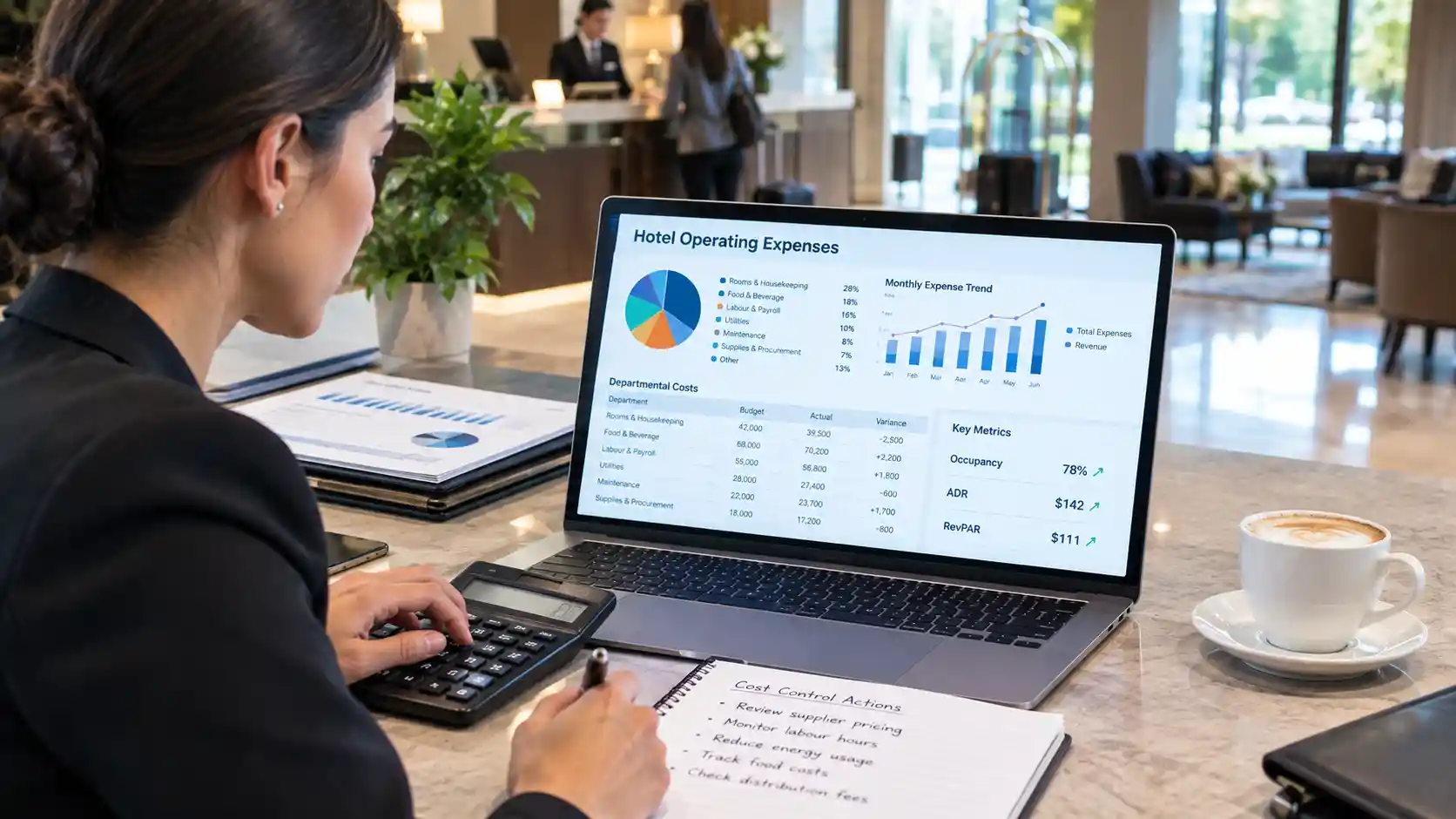
- RevPAR (Revenue per Available Room): This shows how well you’re filling rooms at the right price. If it’s low, you may need to adjust rates or improve occupancy.
- ADR (Average Daily Rate): This tracks how much guests pay on average per night. It helps you judge pricing strategies.
- Occupancy Rate: A solid measure of how full your hotel is. If it dips, look at marketing, seasonality, or guest feedback.
- Guest Satisfaction Scores: Online reviews, feedback surveys, and Net Promoter Scores (NPS) tell you what guests really think.
- Staff Turnover: High turnover means you’re losing talent and spending more on hiring and training. Look into why people are leaving.
Check your data weekly or monthly and make small, consistent changes.
6. Build Sustainability into Daily Operations
Australian travellers are increasingly choosing eco-conscious stays. This isn’t just good for the planet — it can also save you money.
Switching to LED lights, using smart thermostats, and installing water-saving fixtures reduces utility bills. Going paperless with check-in forms, staff schedules, and guest communication cuts down on waste and admin time.
Offer reusable amenities like soap dispensers instead of single-use plastic. Source food and drink locally to support the community and cut transport costs. Promote these efforts on your website and in-room materials. Many guests are happy to pay a little more to stay somewhere that shares their values.
7. Encourage Direct Bookings and Loyalty
OTA platforms take a big chunk of each booking. Direct bookings mean more revenue in your pocket — and better control of the guest relationship.
Make your website user-friendly and mobile-optimised. Offer perks like free Wi-Fi, flexible cancellations, or early check-in for guests who book directly. Highlight these perks in your ads and emails.
Loyalty programs are also a smart way to keep guests coming back. Even something simple like a discount after a third stay or a free breakfast on a return visit builds goodwill. It’s cheaper to keep a past guest than find a new one.
Final Thoughts
Hotels that thrive in today’s market — especially in Australia’s competitive hospitality scene — are the ones that treat operations as a growth tool, not a chore.
It’s not about big budgets or flashy gimmicks. It’s about getting the basics right, using smart tools, and treating your team and guests with genuine care.
When you do that, revenue follows naturally.
FAQs
Q: What is operational excellence in hotels?
A: Operational excellence means running your hotel in a way that’s efficient, consistent, and focused on delivering great guest experiences while controlling costs.
Q: How does technology improve hotel operations?
A: Technology helps with automating admin tasks, improving guest communication, managing bookings, setting dynamic prices, and streamlining check-in/check-out processes.
Q: What is RevPAR and why does it matter?
A: RevPAR stands for Revenue per Available Room. It combines occupancy and room rates to give you a clear picture of how much revenue your rooms are generating.
Q: How can I reduce staff turnover in my hotel?
A: Pay fairly, offer training, provide flexible shifts, and create a supportive work environment. Staff who feel valued are more likely to stay.
Q: How does sustainability increase hotel revenue?
A: Eco-friendly practices reduce costs over time and attract guests who prefer staying at sustainable properties. It also builds a positive brand reputation.