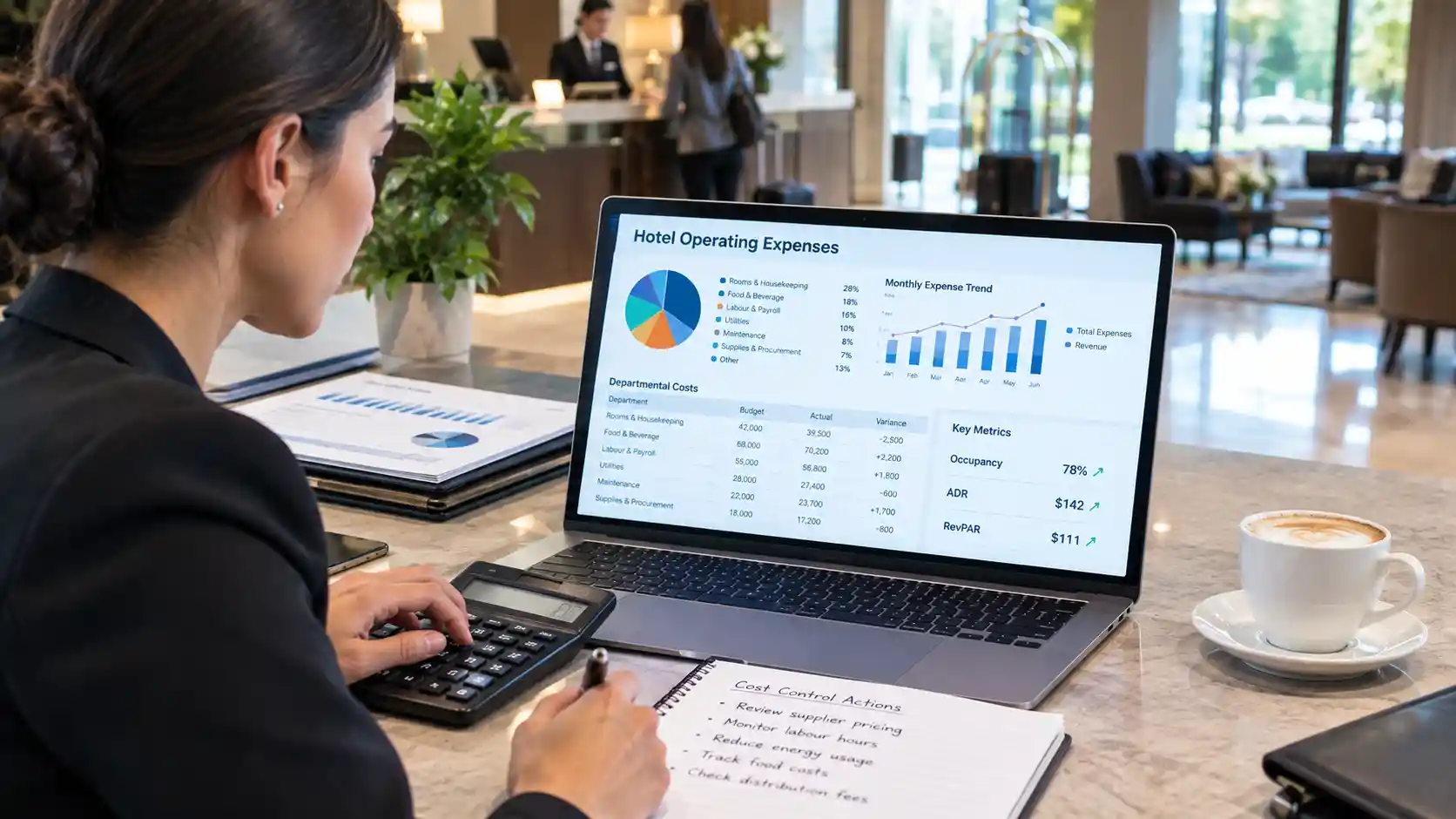
Running a hotel isn’t just about filling rooms — it’s about doing it profitably. That’s where analytics makes all the difference. Instead of relying on guesswork, hotels can use real data to set prices, understand guests, improve efficiency, and stay competitive.
Let’s break down how analytics helps hotels make smarter revenue decisions every day.
Predicting Demand with Data
At the heart of smart revenue management is the ability to forecast demand. Hotels deal with constant ups and downs — school holidays, weekend peaks, quiet midweeks, local events — it never stays the same for long.
Analytics helps hotels look at historical booking trends, seasonal patterns, and even weather forecasts to get a better picture of what’s coming. By spotting when demand is likely to rise or fall, hotels can adjust their pricing before it’s too late.
No more waiting till the last minute to tweak rates. With predictive analytics, hotels can act early and fill rooms at the best possible price.
Real-Time Rate Adjustments
Analytics doesn’t just help with long-term planning. It’s also useful on the fly.
Say bookings are slower than expected on a weekend — with real-time data, hotels can drop rates slightly to attract more guests. On the flip side, if demand is booming, rates can increase to match. This is called dynamic pricing.
It keeps pricing flexible, responsive, and fair — without overcharging or selling rooms too cheaply. Hotels can respond quickly to sudden changes, like local events or competitor offers, ensuring they stay competitive. Automated pricing tools make this process faster and more accurate than manual adjustments.
This approach helps maintain steady occupancy and maximises revenue throughout the year.
Keeping an Eye on the Competition
In any popular area, hotels aren’t operating in a vacuum. Other places are also adjusting their rates and running promotions.
With competitive analytics, hotels can monitor what others are doing and make smarter pricing decisions. If a nearby competitor slashes prices or runs a package deal, analytics tools flag it early. That way, a hotel can respond quickly and stay in the game.
It’s not about copying others, but being aware of the market and positioning the hotel smartly.
Making Marketing More Personal
Today’s guests want more than just a bed. They’re looking for experiences that feel tailored. Analytics helps hotels offer just that.
By analysing booking history, guest preferences, and spending habits, hotels can group customers into segments. These segments help create personalised offers that are more likely to hit the mark — whether it’s a romantic weekend package, a business-friendly bundle, or a family deal with late check-out.
It also helps hotels avoid wasting money on broad, generic advertising. Instead, they can focus on the guests who are most likely to book and spend.
Smarter Operations, Less Wasted Time
Analytics isn’t just for pricing and marketing. It also helps things run more smoothly behind the scenes.
When systems are integrated — booking engines, POS, housekeeping schedules — hotels can automate tasks and reduce manual work. That frees up staff to focus on what really matters: guests.
Instead of spending hours pulling reports or adjusting spreadsheets, managers can get a clear snapshot in seconds. Analytics makes it easier to see what’s working, what’s not, and where to make improvements.

Better Guest Experience with Data
Analytics can also quietly improve the guest experience in surprising ways.
For example, if data shows that guests consistently rate the check-in process poorly, management can dig into what’s going wrong and fix it quickly. Or, if returning guests often book the same room or request similar amenities, the hotel can prepare in advance — even offering suggestions tailored to past stays.
This kind of personal touch boosts satisfaction and increases the chance they’ll return.
Reducing Fraud and Keeping Data Safe
Security matters. Hotels handle a lot of personal and financial data, which can be a target for fraud.
Analytics tools help monitor transactions and flag anything unusual. Whether it’s a spike in cancellations, payment patterns that don’t match, or multiple bookings from the same IP address — it’s easier to spot red flags early.
Staying one step ahead of fraud keeps guests safe and protects the hotel’s reputation.
Bringing It All Together
When used well, analytics is like a behind-the-scenes hero. It quietly collects, compares, and connects the dots so hotel teams can make confident decisions.
From setting the right price at the right time to crafting marketing messages that feel personal, every part of the business benefits. Even small changes — like tweaking weekend rates or offering personalised emails — can lead to big wins.
For hotels that want to stay competitive and profitable, especially in crowded or seasonal markets, analytics is no longer a nice-to-have. It’s a must.
Final Words
Data analytics helps hotels make smarter choices by understanding guests, predicting demand, and setting the right prices. This means happier customers, smoother operations, and better profits. When hotels use data wisely, they can stay ahead of competitors and adapt quickly to market changes. Using data isn’t just helpful—it’s essential for success in today’s hospitality world.
FAQs
Q: What is revenue management in hospitality?
A: Revenue management is about selling the right room to the right guest at the right time for the right price. It’s how hotels maximise income by managing pricing, availability, and demand.
Q: How does analytics help with hotel pricing?
A: Analytics helps by analysing past bookings, current trends, and competitor prices. It provides insights that let hotels adjust their rates in real time based on demand.
Q: What kind of data do hotels use for analytics?
A: Hotels use booking history, guest feedback, website traffic, competitor pricing, market trends, seasonal demand, and more. The more complete the data, the better the insights.