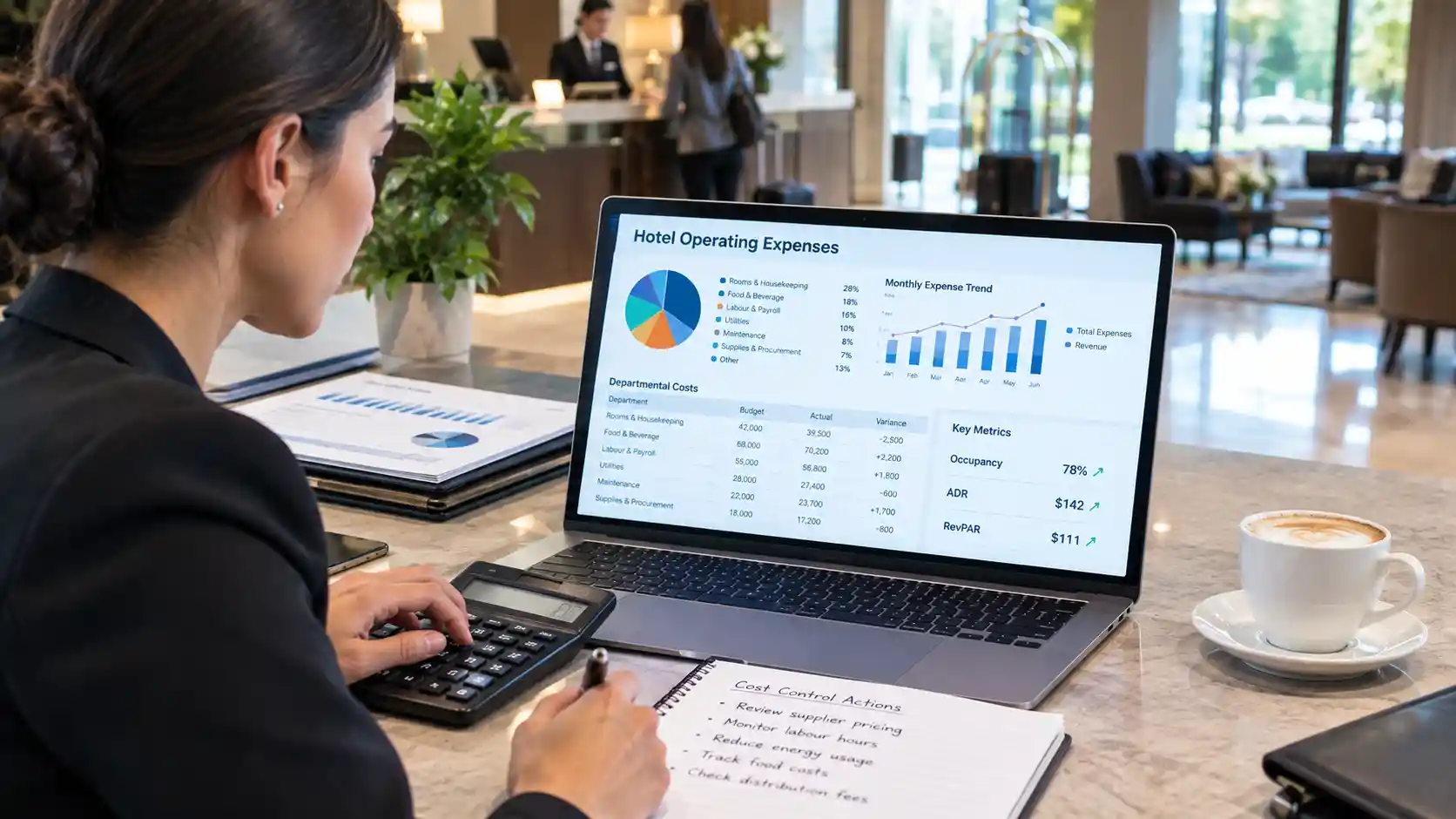
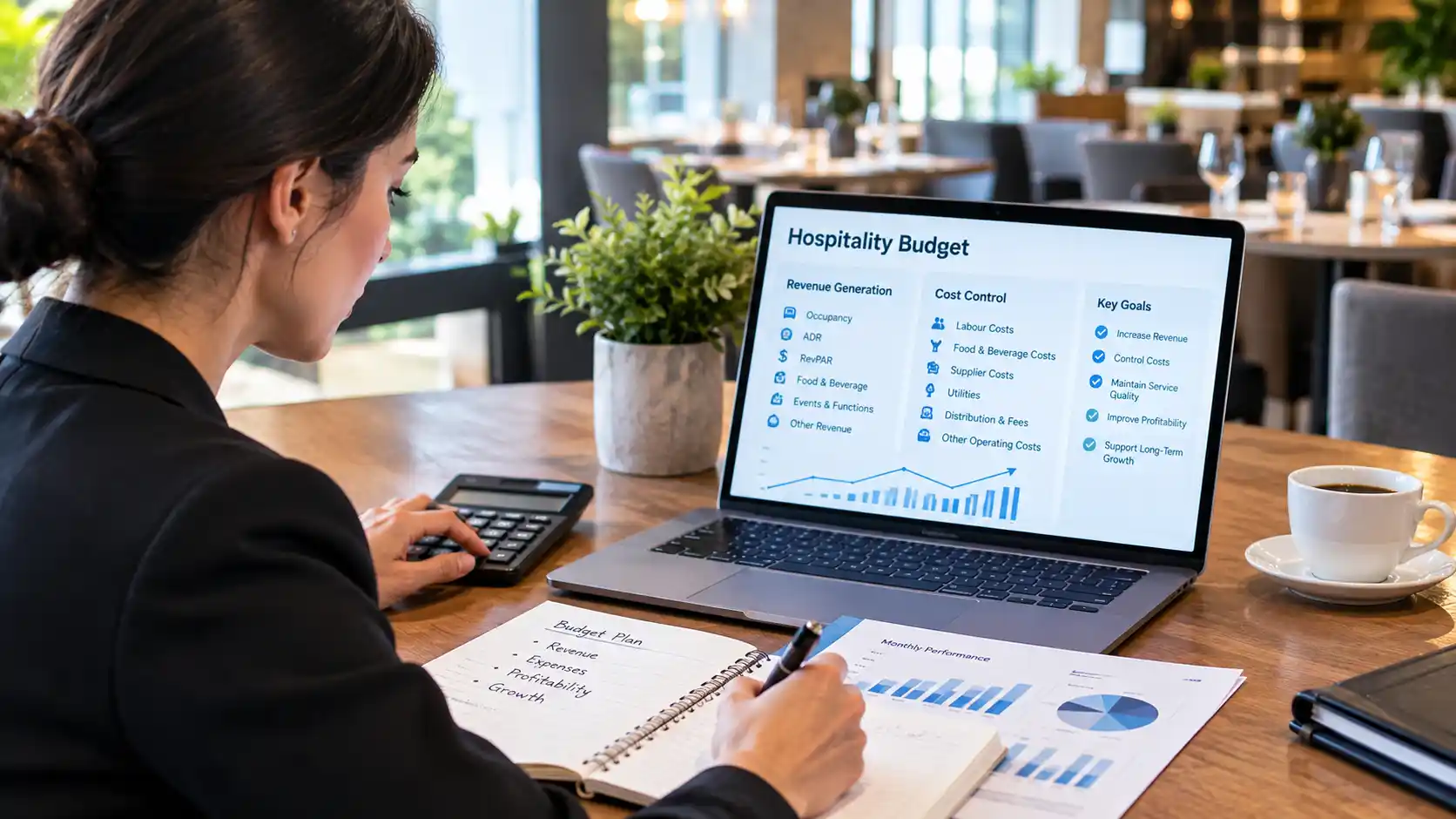
Running a hotel isn’t cheap. Between staffing, utilities, maintenance, and technology, expenses add up fast. But cutting costs doesn’t mean cutting corners. It’s possible to reduce your hotel’s operating costs without affecting the quality of service guests expect. In fact, smart strategies can improve both efficiency and customer satisfaction.
Let’s break down the most effective ways to lower operating expenses while keeping standards high.
Smarter Staffing: Get More Done with Less Waste
Labour costs are one of the biggest outgoings in hospitality. But overstaffing during quiet periods or having rigid schedules eats into your budget.
Instead, adopt flexible rostering that adjusts staff levels based on bookings and daily demand. This helps avoid paying for idle hours and ensures you’re never short-handed when it’s busy.
Cross-training is another powerful approach. Teach staff to handle multiple roles so they can fill in across departments when needed. A receptionist who can help with housekeeping or a kitchen hand who knows room service? That’s real value.
Also, consider incentive-based programs that reward staff for excellent service or finding ways to improve efficiency. A motivated team can deliver better experiences without costing more.
Cut Utility Costs Without Guests Noticing
Electricity, gas, and water bills can quietly drain your profits. But you can slash these expenses by embracing small, smart upgrades.
Start with energy-efficient lighting like LEDs. They last longer and consume far less power. Then look at your heating and cooling systems. Regular maintenance and programmable thermostats make a big difference, especially during off-peak hours.
Low-flow taps and showerheads reduce water usage without sacrificing pressure. Also, installing dual-flush toilets and water-efficient appliances adds up to big savings over time.
Preventative maintenance is key. A leaking tap or faulty air conditioner might seem minor but can cost thousands if left unchecked. Regular check-ups reduce waste and stop issues before they blow out your budget.
Technology That Works Smarter, Not Harder
The right tech can streamline operations, reduce manual work, and improve the guest experience. If you’re still doing everything the old-fashioned way, you might be spending more than you need.
A solid property management system (PMS) automates bookings, billing, room assignments, and reports. A mobile version allows your team to check tasks or guest details while on the move, saving time and reducing back-and-forth.
Self check-in and check-out options can ease pressure on your front desk and speed up service. Guests appreciate convenience, and your staff can focus on more complex queries.
Automation also helps with routine tasks like sending booking confirmations or post-stay surveys. Less manual work means fewer mistakes and better use of staff time.
Better Vendor Deals and Smarter Buying
What you spend on suppliers can make or break your margins. Review your existing vendor agreements. Are you getting competitive prices? Are you locked into inflexible contracts?
Negotiate where you can. Consider combining orders or making bulk purchases to drive down per-unit costs. It’s also smart to revisit your list of suppliers occasionally. Long-term loyalty is fine, but only if it still makes financial sense.
Strategic sourcing helps you find vendors that offer the right mix of price, quality, and reliability. And building solid relationships with those suppliers often means better service and extras when you need them.
Run a Leaner Operation Without Cutting Corners
Food and beverage operations are often a hidden source of waste. Menu planning and portion control help reduce excess and spoilage. Offering fewer dishes with more consistent ingredients can simplify your kitchen and reduce costs.
Keep tight control over inventory. A well-managed system tracks what’s coming in, what’s being used, and what’s going off. That means less waste, better budgeting, and fewer late-night trips to suppliers.
Preventative maintenance isn’t just about utilities. Keeping equipment in good condition avoids expensive emergency repairs and keeps your business running smoothly.
Revenue Management: Charge Smart, Not Just More
Instead of focusing on cutting costs alone, think about increasing revenue through effective revenue management without extra expenses. Dynamic pricing helps you adjust rates based on occupancy, season, or local events. This ensures you’re not undercharging during peak periods or missing out on bookings during slower ones.
Use targeted offers and smart marketing to fill rooms when demand drops. Weekend getaway packages, loyalty discounts, or bundled deals with local attractions can help keep occupancy rates healthy year-round.
Empower Your Team to Drive Efficiency
Investing in your team isn’t just good for morale—it’s smart business. Well-trained staff work faster, make fewer mistakes, and offer better service. That means fewer complaints and more repeat bookings.
Encourage team members to suggest ways to improve operations. Often, they’ll spot inefficiencies that management misses. Small changes on the floor can have a big impact over time.
A positive workplace culture also reduces turnover. Hiring and training new staff repeatedly costs more than keeping your best people happy.
Final Words
Reducing hotel operating costs isn’t about cutting quality—it’s about cutting waste. With the right systems, a bit of tech, and a switched-on team, you can deliver a top-notch experience without blowing the budget. A few smart tweaks today can mean long-term savings and better guest satisfaction tomorrow.
Let your budget breathe—without your standards slipping.
FAQs
Q: Is it worth investing in a property management system (PMS)?
A: Yes. A good PMS can automate many routine tasks, reduce errors, and help your team focus on guest service. It also saves time and improves efficiency.
Q: Can reducing costs actually improve guest experience?
A: Yes. Efficient systems, well-trained staff, and updated technology often make operations smoother, which guests notice as better, faster service — even if they don’t see the cost-saving side.
Q: How can cross-training help reduce costs?
A: Cross-training gives staff the flexibility to cover multiple roles. This means fewer people can handle more tasks, reducing the need for extra shifts and making scheduling easier.
Q: Is automation really helpful in cutting hotel costs?
A: It can be. Automating repetitive tasks like check-ins, billing, and emails reduces labour hours and errors. It also frees up staff to focus on personalised guest service.