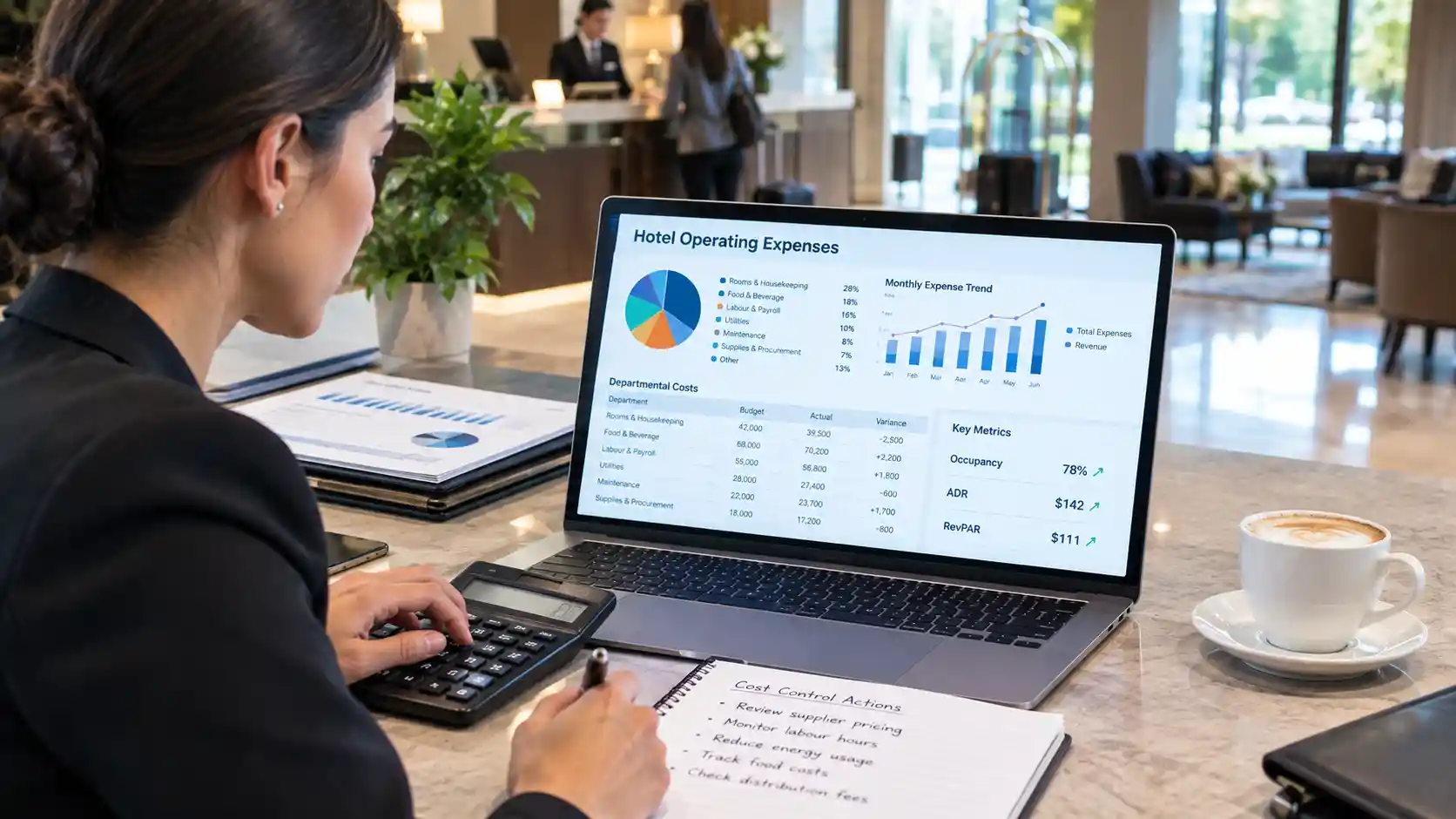
In today’s fast-paced hospitality industry, relying on instinct alone just won’t cut it. Hotels and resorts now use data-driven forecasting to make informed, impactful decisions.
This article explores how data-driven forecasting works, why it’s crucial in hospitality, and how to implement it effectively. Let’s dive in and see how data can turn forecasts into the foundation for strategic growth.
What is Data-Driven Forecasting?
Data-driven forecasting is more than just number-crunching. In hospitality, it’s a proactive way to anticipate demand, manage pricing, and streamline operations. By using a blend of historical data, real-time market trends, and advanced analytics, businesses can predict future demand with a high level of accuracy.
Now, they’re using tools that not only identify patterns in guest behaviour but also adjust to changing market conditions. This shift to proactive planning allows hotels to optimise every aspect of their operations, from pricing to staff allocation.
Why Data-Driven Forecasting is Essential in Hospitality
The hospitality industry is no stranger to sudden shifts—whether seasonal or event-driven. Data-driven forecasting addresses these uncertainties head-on. For instance, a hotel might typically expect a quiet period in winter.
However, forecasting tools can reveal trends that show otherwise, like an increase in bookings due to a local event.
By understanding demand patterns and guest expectations, businesses can reduce wastage, improve pricing strategies, and even prevent overstaffing.
Key Data Sources for Accurate Forecasting
Achieving accurate forecasts in hospitality requires pulling data from multiple sources. Here are the primary ones to consider:
- Historical Data: Past performance is often the best predictor of future trends. Analysing room occupancy, pricing rates, and booking lead times can give valuable insights into expected demand.
- Current Market Trends: Stay on top of current travel trends, guest preferences, and seasonal shifts. Data on travel patterns can reveal new opportunities for capturing demand.
- Competitor Analysis: Observing competitor pricing and availability is essential for strategic pricing. This data can indicate when to adjust rates or introduce promotions.
- External Factors: From local festivals to economic conditions, external influences can significantly impact demand. Including these in your forecast ensures you’re prepared for fluctuations.
Having all these data points creates a holistic view of what to expect, enabling precise, data-informed decisions.
Benefits of Data-Driven Forecasting in Hospitality
Using data-driven forecasting offers clear advantages:
- Optimised Pricing and Revenue Management: By setting prices based on demand predictions, hotels can maximise revenue and avoid losses.
- Improved Staff Scheduling and Resource Allocation: Accurate forecasts mean more precise scheduling, avoiding overstaffing during slow periods and under-staffing during peaks.
- Enhanced Guest Experience: Predicting guest needs leads to personalised services, ensuring guests feel valued and understood.
- Informed Marketing Strategies: Data-backed forecasts allow targeted marketing, ensuring promotions reach the right audience at the right time.
The result? Lower costs, higher revenue, and a more satisfying experience for guests.
Tools and Technologies Enabling Data-Driven Forecasting
To make data-driven forecasting manageable, there are several tools that hospitality businesses can adopt:
- Revenue Management Systems (RMS): These tools, like Revinate and Duetto, use data to adjust pricing and maximise revenue.
- Customer Relationship Management (CRM) Systems: CRM platforms collect data on guest preferences and behaviours, helping personalise the guest experience.
- AI and Machine Learning: AI enhances accuracy by learning from data patterns and continuously improving predictions.
- Data Visualisation Platforms: Tools like Tableau or Power BI make complex data easy to interpret, allowing managers to make quick decisions based on clear visual insights.
Implementing these tools allows a business to efficiently analyse data and turn it into actionable strategies.
Common Challenges in Data-Driven Forecasting and How to Overcome Them
Despite the benefits, implementing data-driven forecasting has its challenges:
- Data Accuracy and Cleanliness: Inaccurate or outdated data can lead to unreliable forecasts. Regularly clean and update data to maintain forecasting accuracy.
- Data Integration Across Systems: Data may come from various systems, making integration a challenge. Cloud solutions help by storing data in a central location for seamless access.
- Adapting to Rapid Market Changes: Forecasting models need flexibility to adapt to sudden changes, like new travel restrictions. Regular model adjustments keep forecasts relevant.
While these challenges can seem daunting, using robust systems and regular updates keeps data-driven forecasting on track.
Pro Tips for Implementing Data-Driven Forecasting in Hospitality
Here are some expert tips to help hospitality businesses make the most of data-driven forecasting:
- Regularly Update Historical Data: Ensure your forecasts remain relevant by regularly inputting new data.
- Train Your Team: Equip your staff with knowledge on how to interpret and act on forecast data.
- Combine Insights with Intuition: Use forecasts as a guide but remember that local knowledge and intuition also play a role.
By following these tips, businesses can better balance data and experience, optimising decision-making.
Conclusion
Data-driven forecasting is redefining how the hospitality industry plans for the future. With accurate data and smart strategies, hotels can improve guest satisfaction, reduce costs, and capture new revenue opportunities. By implementing data-driven methods, hospitality businesses position themselves as leaders in an increasingly competitive field.