Financial uncertainty can feel like an unwelcome guest in the hospitality industry, arriving without warning and sticking around far too long. Hotels, resorts, and other venues often face unpredictable challenges, from seasonal variations to sudden economic downturns.
In this article, we’ll dive into how predictive technology allows hospitality operators to make proactive decisions that secure stability, even in unpredictable times.
Understanding Financial Uncertainty in Hospitality
Financial uncertainty refers to those unknown factors that can suddenly impact your bottom line. In hospitality, this could be due to an economic slump, sudden dips in tourist traffic, or even global crises like pandemics.
Each of these factors can lead to unexpected changes in guest bookings, operating costs, and revenue. The unpredictability can be stressful, yet staying on top of it is crucial.
For many hospitality businesses, finding ways to manage these uncertainties can make the difference between riding out rough times or being caught off guard.
What is Predictive Technology and How Does it Work?
Predictive technology might sound complex, but at its core, it’s about using data to make informed predictions. By analysing historical data and current trends, predictive technology identifies patterns that give you insights into what’s likely to happen next. It includes tools like artificial intelligence (AI), machine learning, and data analytics.
For example, a hotel might use predictive technology to estimate future bookings based on past seasonal trends. If bookings are projected to dip, the hotel can adjust its marketing efforts or create special offers to maintain occupancy.
With the right predictive tools, businesses can forecast with confidence, even if external factors shift unexpectedly.
Key Areas Where Predictive Technology Can Help Navigate Financial Uncertainty
Demand Forecasting
Predictive technology is a game-changer for demand forecasting. By using historical data and market trends, hotels can predict future guest demand more accurately. With this knowledge, you can optimise staffing, set room rates appropriately, and manage inventory efficiently.
Revenue Management
Predictive technology helps with setting room rates based on anticipated demand. When demand is high, room rates can be adjusted to maximise revenue. During low-demand periods, predictive technology can guide discounting strategies that fill rooms without eroding profit.
Expense Management
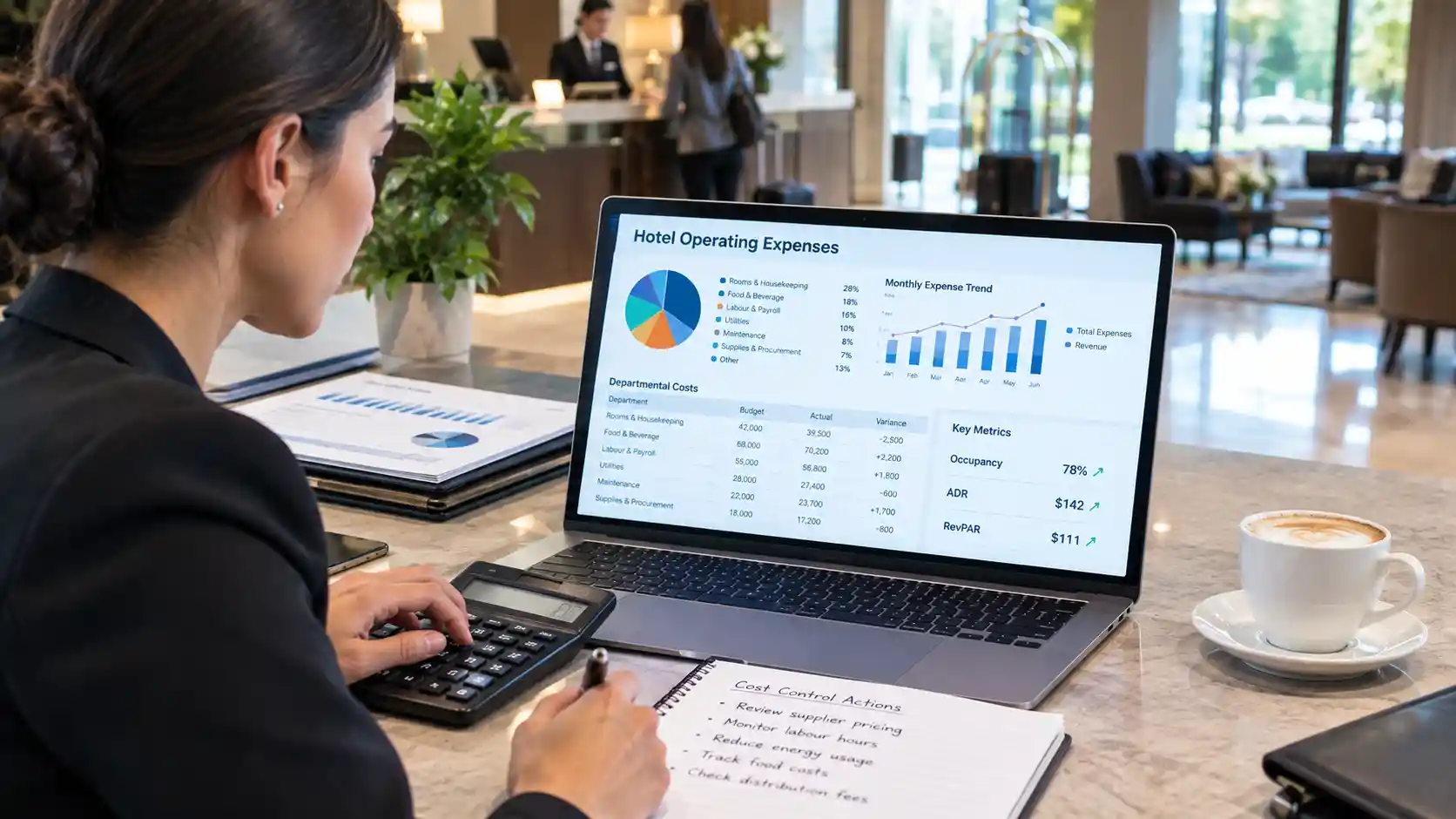
Operating costs can eat into profits, especially when they aren’t well-managed. Predictive technology allows hospitality managers to anticipate expenses, enabling more accurate budgeting and cost control.
Marketing and Promotions
Predictive analytics can identify trends in guest behaviour, allowing for targeted marketing. If data shows an uptick in bookings from a particular demographic, tailored promotions can attract similar guests. This makes marketing efforts more effective and ensures resources are used wisely.
Benefits of Using Predictive Technology in the Hospitality Industry
Predictive technology offers numerous benefits that go beyond just financial stability:
- Enhanced Decision-Making: With data-driven insights, hospitality managers can make informed decisions rather than relying on guesswork.
- Increased Financial Stability: By accurately forecasting demand and expenses, businesses can maintain stable cash flow even in uncertain times.
- Operational Efficiency: Predictive technology helps align resources with demand, improving efficiency across staffing, inventory, and utilities.
- Improved Guest Satisfaction: Predictive insights help tailor guest experiences to meet their preferences, leading to better reviews and loyalty.
When used effectively, predictive technology can turn uncertainty into an opportunity for strategic growth.
Challenges and Considerations When Implementing Predictive Technology
While predictive technology offers significant benefits, it’s not without challenges:
- Data Quality and Availability: High-quality, consistent data is essential for accurate forecasts. Poor data can lead to unreliable predictions.
- Cost of Implementation: Predictive technology requires investment in software and training, which can be a barrier for smaller businesses.
- Technical Expertise: Staff must know how to interpret predictive insights effectively to take full advantage of these tools.
- Adaptability to Rapid Changes: Sometimes, sudden events disrupt even the best predictions. Businesses should remain agile to respond quickly.
Despite these challenges, predictive technology is worth the investment for most hospitality businesses. With the right support and commitment, it can be a powerful asset.
Pro Tips for Leveraging Predictive Technology Successfully
Want to get the most out of predictive technology? Here are a few pro tips:
- Integrate Predictive Technology Gradually: Start by using predictive tools for essential functions like demand forecasting. Once comfortable, expand to other areas.
- Combine Predictive Technology with Human Insight: Data is invaluable, but combining it with experience-based judgment often leads to the best outcomes.
- Regularly Update Data and Models: For accurate forecasting, ensure your data sources are current and models are regularly updated.
- Train Your Team: Make sure staff know how to interpret and use predictive insights effectively. Investing in training can maximise the value of predictive tools.
By following these tips, hospitality businesses can leverage predictive technology to make smarter financial decisions, even in unpredictable conditions.
Conclusion
In an industry as dynamic as hospitality, financial uncertainty is part of the territory. But with predictive technology, businesses can transform unknowns into strategic advantages. From anticipating guest demand to optimising operational costs, predictive technology empowers hospitality managers to make informed decisions.