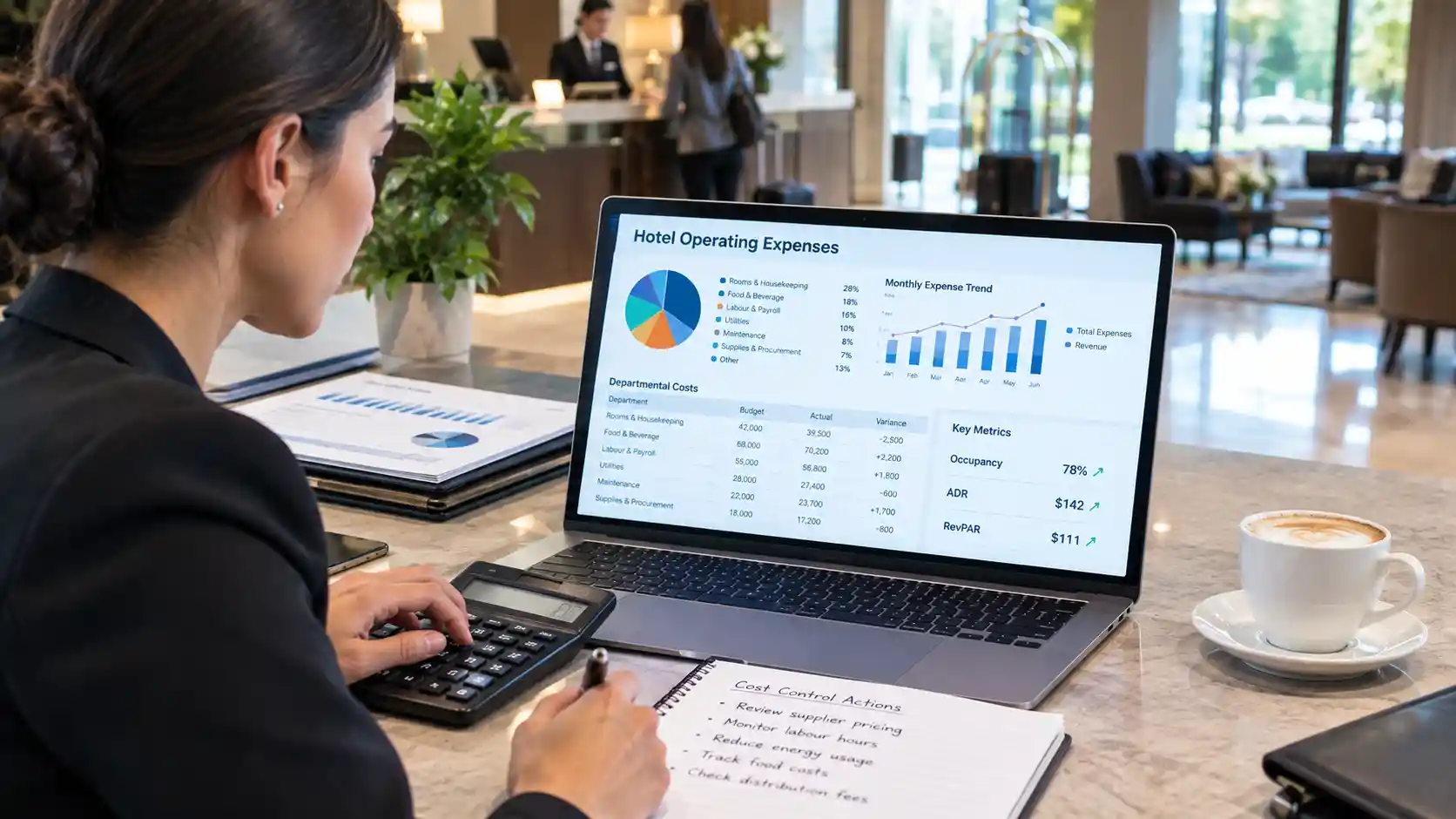
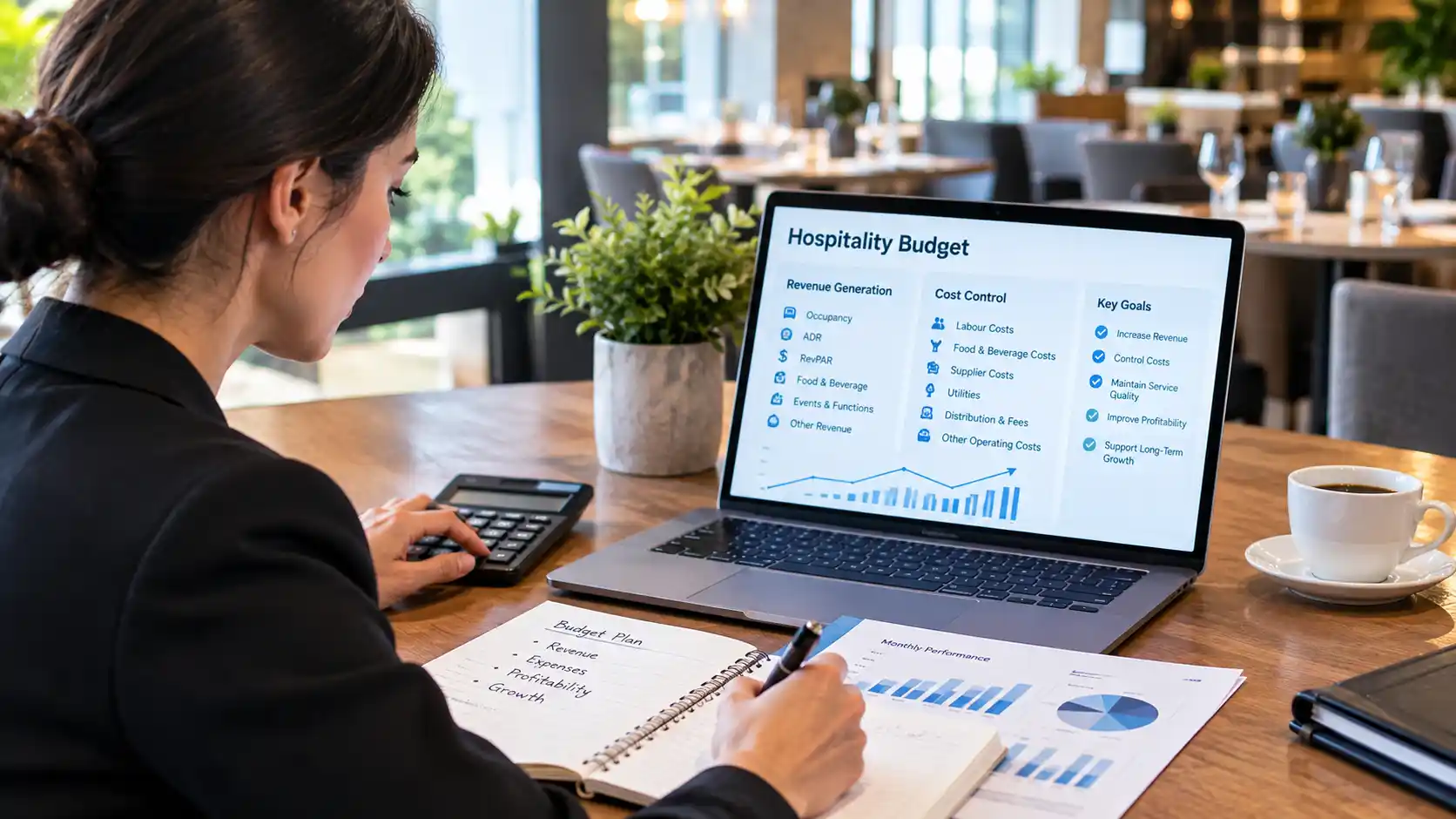
Running a hotel is no easy task. It’s not just about providing a comfortable stay for guests; it’s about managing costs while maintaining a high level of service. If you’re looking to boost profitability and keep your business competitive, the key lies in reducing operating expenses without compromising quality.
Here’s how industry experts suggest you can optimise your hotel’s expenses.
Types of Common Hotel Expenses
Before you can start saving, it’s important to understand where your money is going. Hotels generally face two types of expenses: fixed and variable.
Fixed Costs are predictable. They don’t change much, regardless of how many guests check-in. These include property lease or mortgage payments, insurance, salaried staff wages, and licenses.
On the other hand, Variable Costs fluctuate based on demand. These can include utilities, hourly wages for staff, housekeeping supplies, food and beverages, and maintenance costs. Keeping a close eye on both can help you spot opportunities to cut costs.
How to Reduce Hotel Operating Expenses
To effectively cut down on hotel operating expenses, it’s crucial to first understand where your money is going. Start with a thorough analysis of your expenses to pinpoint areas that can be optimised.
Here are some strategies:
Analyze and Categorize Your Expenses
Before making changes, you need to clearly understand your expenses. Break them down into categories to identify where you can make adjustments. Here’s how:
- Fixed Costs vs. Variable Costs: Fixed costs remain the same regardless of occupancy, such as rent, insurance, and staff salaries. Variable costs change based on guest volume, including utilities, housekeeping supplies, and temporary staff wages. Knowing the difference helps you target areas where savings are possible.
- Track Spending Regularly: Use accounting software or a simple spreadsheet to keep track of both fixed and variable costs. Regular monitoring ensures you can spot any unusual spikes or patterns.
- Identify Overheads: Look for recurring costs that could be cut down, such as excess cleaning supplies or unused services. For example, do you need to keep high stock levels for items you rarely sell?
- Evaluate Supplier Contracts: Review contracts with suppliers, from laundry services to food and beverage suppliers. Are there opportunities to renegotiate for better rates or discounts for bulk purchases?
- Assess Staffing Levels: Review your staffing needs regularly. Are you overstaffed during quiet periods? Are certain tasks being handled inefficiently by staff that could be automated or streamlined?
By categorising and analysing your expenses, you’ll have a clearer picture of where to focus your efforts and which areas offer the greatest savings potential.
Reduce Energy Consumption
Reducing energy costs is a great way to improve your bottom line and boost your hotel’s sustainability:
- Switch to Energy-Efficient Appliances: Upgrade to LED lighting, energy-efficient HVAC systems, and appliances that use less power. Though the initial cost might be higher, they’ll save money in the long run.
- Monitor Usage: Set up energy monitoring systems to track consumption. Identify high-usage areas and make changes, like turning off lights in unused rooms or adjusting the temperature in empty spaces.
- Encourage Guests to Participate: Add small notes in rooms encouraging guests to turn off lights and electronics when not in use. They’ll feel good about contributing to energy savings.
By making these simple changes, you can significantly reduce your energy bills while promoting sustainability.
Streamline Staffing and Labour Costs
Staffing is one of the largest operational expenses for hotels, but there are ways to optimise it:
- Review Staffing Levels: Regularly assess if you have the right number of staff, especially during off-peak periods. Avoid overstaffing by adjusting schedules based on occupancy.
- Cross-Train Employees: Train staff to handle multiple roles. This gives you more flexibility when managing busy and quiet periods, ensuring no roles go unfilled without hiring additional staff.
- Automate Routine Tasks: Use technology to handle routine tasks like payroll, scheduling, and guest requests. This allows staff to focus on high-priority work and reduces unnecessary labour costs.
Optimising staffing not only saves on costs but also improves efficiency and guest satisfaction.
Negotiate with Suppliers
Cutting supplier costs can significantly lower your overall expenses and increase your profitability:
- Review Supplier Contracts Regularly: Check in on contracts with suppliers, from cleaning to food and beverages. Are there opportunities to renegotiate for better rates, discounts, or bulk deals?
- Shop Around for Better Prices: Don’t settle for the first quote you receive. Compare prices from multiple suppliers and look for better deals or offers.
- Build Long-Term Relationships: Develop strong relationships with your suppliers. This can help you secure better deals, early access to products, and discounts over time.
Effective supplier negotiations can reduce costs and create long-term savings for your hotel.
Use Technology to Automate Operations
Implementing technology into your hotel operations can streamline processes and reduce manual costs:
- Online Check-Ins: Allow guests to check in online to reduce congestion at the front desk and minimise staff involvement, especially during peak hours.
- Automate Booking Systems: Use a cloud-based booking system to optimise room pricing and occupancy rates automatically. This helps ensure you’re always offering the best rates for maximum revenue.
- Property Management Systems (PMS): Use PMS to automate tasks such as room assignments, billing, and housekeeping schedules. This reduces the workload on staff and improves operational efficiency.
Leveraging technology saves time, reduces errors, and keeps your operations running smoothly.
Minimize Food and Beverage Waste
Food and beverage waste is a hidden cost for many hotels, but it’s easy to reduce with a few smart strategies:
- Monitor Inventory: Keep a close eye on your food and beverage inventory. Regular stock checks ensure you’re not over-ordering or holding onto expired goods.
- Portion Control: Implement portion control measures to minimise waste, especially in buffets and à la carte menus. You can even offer guests the option of smaller portions to reduce leftovers.
- Repurpose Leftovers: Get creative with leftover ingredients by incorporating them into new dishes or offering them to local charities.
By managing food and beverage waste, you’ll cut unnecessary costs while staying eco-friendly.
Implement Sustainable Practices
Sustainable practices not only reduce costs but also improve your hotel’s reputation as an eco-conscious establishment:
- Reduce Water Usage: Install low-flow showerheads and taps. Remind guests to reuse towels and linens to reduce laundry costs and water consumption.
- Switch to Green Supplies: Replace chemical-heavy cleaning products with eco-friendly alternatives. Your hotel will benefit from lower costs and a healthier environment for staff and guests.
- Recycling Programs: Set up recycling stations throughout the hotel. This reduces waste and may even save you money on disposal fees.
Incorporating sustainable practices into your operations helps reduce costs and makes your hotel more attractive to environmentally-conscious guests.
By focusing on these strategies, you can take control of your hotel’s expenses and ensure long-term profitability without compromising guest experience.
Conclusion
Optimising hotel expenses doesn’t have to be difficult. By analysing costs, reducing energy use, refining staffing, and negotiating supplier rates, you can boost your hotel’s profitability. Implement these strategies, and you’ll see an improvement in both guest satisfaction and your bottom line.
FAQ
Q: What is hotel optimization?
A: Hotel optimization involves improving operational efficiency to reduce costs, enhance guest experiences, and increase profitability. This can include managing expenses, streamlining processes, and leveraging technology.
Q: What is the biggest expense for hotels?
A: The biggest expense for hotels typically involves labour costs, including wages for permanent and temporary staff. Utilities, maintenance, and food & beverage costs are also significant.
Q: What are three ways managers can control costs in a hospitality business?
A: Managers can control costs by optimising staffing levels, reducing energy consumption, and renegotiating supplier contracts for better rates or discounts.
Q: What is the best pricing strategy for a hotel?
A: The best pricing strategy for a hotel balances competitive pricing with demand. Dynamic pricing, where rates adjust based on occupancy and market conditions, is often the most effective.
Q: How can expenses be minimized?
A: Expenses can be minimized by analysing spending patterns, reducing waste, streamlining operations, negotiating better deals with suppliers, and implementing energy-saving measures.